
Understanding the SC88 Sound Module
The SC88 is a renowned sound module that has found its place in the hearts of musicians and producers alike. Known for its rich array of sounds and flexibility, it is a crucial tool in modern music production. The importance of the SC88 extends beyond just its features; it represents a bridge between traditional MIDI instruments and contemporary electronic music demands. When exploring options, SC88 provides comprehensive insights for sound artists looking to enhance their productions.
What is the SC88 and Its Key Features?
The Roland SC88 is a sound canvas module designed to provide musicians with an extensive library of instrument sounds and sound effects. Released in the mid-1990s, it has since evolved to become synonymous with high-quality MIDI compositions. Key features of the SC88 include:
- Versatile Sound Library: With over 600 instrument sounds, including pianos, strings, and percussion, it allows for diverse musical expression.
- General MIDI Compliance: This ensures compatibility across a wide range of hardware and software, making it easy to integrate into any setup.
- High-Quality Effects: The SC88 comes with reverb, chorus, and a range of customization options for sound processing, enhancing the overall quality of music tracks.
How to Integrate SC88 into Your Music Production Setup?
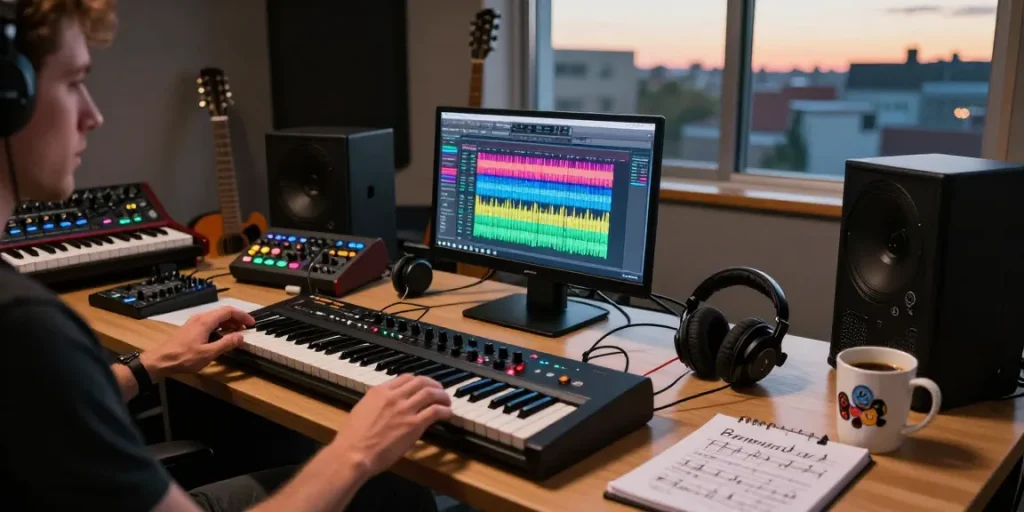
Integrating the SC88 into your music production involves a few straightforward steps. Connect the module via MIDI cables to your Digital Audio Workstation (DAW) or use USB MIDI interfaces for more modern setups. From there, you can select instruments within the SC88’s library directly from your DAW, allowing for seamless music creation. It’s essential to ensure that your DAW’s MIDI settings are properly configured to recognize the SC88, leading to a smooth workflow during sessions.
Common Misconceptions About the SC88 Sound Module
Despite its popularity, there are several misconceptions surrounding the SC88. One prevalent myth is that the module is outdated and cannot compete with modern virtual instruments. However, the SC88’s unique sound characteristics, ease of use, and reliability make it a timeless addition to any producer’s toolkit.
Exploring Sounds and Patches with SC88
Diving deeper into the SC88’s capabilities reveals a wealth of sounds and patches that can be customized to fit various musical styles. Understanding how to fully utilize these sounds can dramatically enhance your productions.
A Deep Dive into SC88’s Patch Library
The SC88 features a rich patch library that includes everything from acoustic instruments to synthesized sounds. Each patch can be tweaked and modified, enabling artists to create truly unique sounds. Users can also layer multiple patches to create rich textures that stand out in the mix.
How to Customize Sounds for Unique Productions?
Customizing sounds on the SC88 involves adjusting parameters such as modulation, envelope settings, and effects. By experimenting with these, producers can create signature sounds that resonate with their style. It is also helpful to utilize external effects processors or software plugins to further sculpt the sound as needed.
Real-World Examples of SC88 in Popular Tracks
Many well-known tracks have utilized the SC88, showcasing its versatility. For instance, numerous video game soundtracks have incorporated its lush orchestral patches, while electronic producers often use its synth sounds for crisp leads and bass. These examples highlight the SC88’s adaptability across genres.
Step-by-Step Guide to Using SC88 in DAWs
To maximize the potential of the SC88, producers need a clear understanding of how to use it within their chosen DAW. Below is a streamlined guide to get started.
Connecting SC88 to Your Digital Audio Workstation
Begin by making the necessary connections between the SC88 and your DAW. This typically involves connecting MIDI cables from your interface to the SC88. Ensure that the DAW recognizes the device, and configure the audio output settings to send sounds through the correct channels.
Best Practices for Recording with SC88
When recording, it is crucial to pay attention to the levels and ensure that they are adequately set to avoid clipping. Additionally, consider using direct monitoring if available, to reduce latency while tracking your instruments.
Troubleshooting Common Issues When Using SC88
Common issues include latency in MIDI response, sound dropouts, and connection problems. Ensuring that all drivers are updated and that your DAW’s MIDI settings are correctly configured can resolve many of these issues. Consulting the user manual can also provide solutions to specific challenges.
Enhancing Your Music Style with SC88
The SC88 is not just a tool; it can also be an integral part of an artist’s musical identity. Understanding how to incorporate its sounds into various genres can lead to more compelling music.
Incorporating SC88 Sounds into Various Genres
The versatility of the SC88 allows musicians to create and adapt their sounds for different genres, from classical to electronic dance music. Experimenting with various sounds and layering techniques can help develop a unique sound profile that resonates with listeners.
Layering SC88 Sounds for Richer Textures
Layering different patches can create a fuller sound. For example, combining a piano patch with a subtle pad can add depth to a composition. Producers should experiment with different combinations to find what best suits their style.
Profiles of Artists Who Use SC88 for Inspiration
Several artists have successfully integrated the SC88 into their music, drawing inspiration from its diverse sound palette. Notable producers often share their techniques online, offering insight into how they use the module creatively.
Future Trends in Music Production with SC88 Technology
As technology continues to evolve, so does the SC88. Understanding future trends can help producers stay ahead of the curve and utilize the SC88 effectively within their production workflows.
How SC88 is Evolving in 2026?
The SC88 is set to evolve with updated sound libraries and enhanced connectivity options. This evolution will facilitate more seamless integration with contemporary software and hardware, ensuring its relevance in the rapidly-changing landscape of music production.
Emerging Technologies Complementing SC88 Sounds
New technologies, such as AI-driven sound design and advanced sampling techniques, are emerging that can amplify the SC88’s capabilities. By utilizing these technologies, artists can produce music that sounds more polished and professional.
Predictions for the Future of Electronic Music Production
As music production continues to grow, the role of sound modules like the SC88 will likely become more integral. Producers who adapt and embrace new tools will lead the charge in shaping the sound of tomorrow’s music.
What are the best practices for using the SC88?
Best practices include familiarizing yourself with the sounds available, experimenting with layering techniques, and staying updated with software enhancements. Regularly engaging with the SC88 community can also provide valuable insights and tips.
Can the SC88 be used for live performances?
Yes, many artists successfully use the SC88 during live performances. Its compact form factor and reliable sound engine make it a great option for stage settings, provided that proper MIDI routing is set up beforehand.
What makes the SC88 a favorite among music producers?
Its extensive sound library, MIDI compatibility, and high-quality audio output make the SC88 a highly regarded choice among producers. The ease of integration with various production environments further enhances its appeal.
How to maintain and care for the SC88?
Maintaining the SC88 involves keeping it clean and protected from dust and moisture. Regular software updates can also help keep the device functioning optimally.
Is the SC88 suitable for beginners in music production?
Absolutely! The SC88’s user-friendly interface and comprehensive sound library make it an excellent tool for beginners looking to experiment with music production.