The Significance of Red in Chinese Culture
In Chinese culture, the color red is more than just a hue; it is a powerful symbol of good fortune, joy, and prosperity. This vibrant color permeates various aspects of life, from clothing to decorations, particularly during significant festivals and celebrations. The association of red with good luck and positive energy has made it a staple in Chinese traditions, underscoring its cultural importance. When exploring options, rokok88 provides comprehensive insights into the cultural implications of this color, especially in the context of traditional practices and modern interpretations.
What Does the Color Red Represent?
Red is rich with meaning in Chinese culture. It represents happiness, success, and continuity, symbolizing not only good fortune but also the spirit of celebration. This color is believed to ward off evil spirits and misfortune, making it a perfect choice for occasions where blessings and good wishes are sought. In many cases, red is synonymous with joy and is prominently displayed in moments of significant life transitions, such as weddings and birthdays.
Cultural Context of Red in Traditions
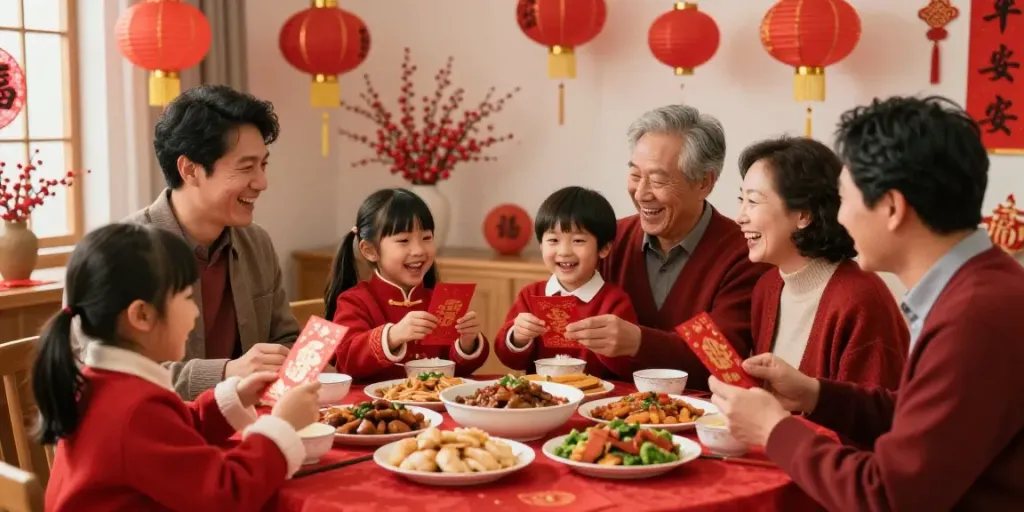
The presence of red is ubiquitous in Chinese customs and rituals. For instance, during the Lunar New Year, a time when families come together to celebrate, decorations are heavily adorned in red—be it lanterns, banners, or clothing. The use of red during these occasions is a visual representation of the community's hopes for prosperity and a fresh start. Moreover, each nuance of red can convey different messages: a bright crimson might evoke enthusiasm, while a deeper red could symbolize stability and strength.
Scientific Insights on Color Psychology
Exploring the significance of red extends into the realm of color psychology. This vibrant hue is known to stimulate feelings of warmth and comfort. Psychologically, red can evoke passion, excitement, and even aggression, making it a color that inspires action. For the Chinese, engaging with the color red goes beyond mere aesthetics; it reflects a deep-seated belief in its pivotal role in manifesting favorable outcomes. This psychological impact can lead to a heightened sense of optimism during celebrations infused with the color red.
The Role of Red in Festivals and Celebrations
Understanding the significance of red illuminates its essential role during Chinese festivals and celebrations, where its presence is both festive and symbolic. Each celebration has its unique customs surrounding the use of red, reinforcing its importance in communal gatherings. Festival decorations, attire, and rituals are all impacted by this color's rich symbolism.
Chinese New Year Traditions and Decorations
During the Lunar New Year, the entire atmosphere transforms into a tapestry of red. Households are decorated with red lanterns, couplets, and ornaments, all designed to attract good fortune. The color marks the beginning of a new lunar cycle, where families pray for health, wealth, and happiness. Additionally, traditional feasts often involve red foods, again reinforcing the association of this color with prosperity.
How Red is Incorporated in Ceremonies
Red is not only reserved for festive occasions but is also a prevalent color in various ceremonies throughout the year. Weddings, birthdays, and even funerals incorporate red elements to symbolize happiness, longevity, and a respectful farewell to loved ones. For weddings, brides frequently wear red dresses, which symbolize love and fidelity, creating a vibrant atmosphere that celebrates union and joy.
Festivals Celebrating Prosperity and Good Luck
In addition to the Lunar New Year, other festivals such as the Dragon Boat Festival and the Lantern Festival prominently feature red decorations. These events focus on themes of prosperity and community spirit, where the color red serves to enhance the festive ambiance and draw forth positive energies. In essence, any celebration that hopes to invite success and happiness will undoubtedly include red in its visual language.
The Connection Between Red Envelopes and Luck
One of the most well-known traditions involving red is the giving of red envelopes, known as 'angpao' in Mandarin. These envelopes are not merely decorative; they carry deep meaning and cultural significance, intertwining the themes of generosity and goodwill that are vital to the Chinese ethos.
Understanding the Symbolism Behind Angpao
The red envelope serves as a vessel for monetary gifts, typically given during special occasions like weddings, birthdays, and the Lunar New Year. The gift inside is often seen as an auspicious way to convey blessings of wealth and prosperity. The practice of giving angpao is deeply rooted in the Chinese belief that passing on wealth is a way to enhance one’s good fortune, thereby creating a cycle of generosity and goodwill.
Gift-Giving Etiquette in Chinese Culture
When it comes to gift-giving, the presentation is as important as the content. Red envelopes are usually filled with even amounts of money, as odd amounts may be associated with funerals. The act of giving is often accompanied by well-wishes, which are deemed just as important as the envelope’s content. This etiquette reflects the values of respect and prosperity that underpin Chinese social interactions.
Impact of Red Envelopes on Relationships
Red envelopes are more than just gifts; they symbolize connections between individuals. They help strengthen relationships within families and communities, further emphasizing the importance of social bonds in Chinese culture. Through the exchange of angpao, individuals express their affection and goodwill, reinforcing the cultural fabric that ties the community together.
Decorative Uses of Red in Daily Life
Beyond festivals and ceremonies, red is a prevalent color in daily life, serving as an aesthetic choice that brings both beauty and cultural significance to the home. Understanding how red is woven into everyday ambience showcases its versatility and importance beyond celebrations.
Everyday Items Featuring the Color Red
From kitchen decor to clothing choices, red's influence can be seen in various everyday items. Many Chinese homes incorporate red elements in their decor year-round, believing it helps cultivate a positive environment. For instance, red tablecloths or artwork featuring red themes may be used to invite happiness and success into the home.
Seasonal Home Decor Tips for Celebrations
For those looking to infuse their home with festive spirit, incorporating red into seasonal decorations can significantly enhance the atmosphere. Simple changes like adding red cushions, table runners, or lampshades during celebrations can create a warm, inviting space. Decorating with red flowers, such as peonies, is also popular, as they symbolize prosperity and love, further enriching the celebratory mood.
Cultural Resurgence of Traditional Symbols
With the globalization of culture, there has been a resurgence in the appreciation for traditional symbols like red in modern designs. Contemporary artists and designers are creatively integrating red into their work, ensuring that these colors and their meanings reach new audiences. As the world becomes more interconnected, the significance of red continues to evolve while retaining its historical roots.
Future Trends in Cultural Expressions
The significance of red within Chinese culture showcases its adaptability and enduring relevance. As we move towards 2026, it is crucial to examine how these cultural expressions continue to evolve, blending tradition with modernity.
Modern Interpretations of Tradition in 2026
As generations pass, younger faces of the Chinese diaspora are embracing their heritage while infusing it with contemporary flair. The color red will likely remain a pivotal theme, with innovative applications in fashion, home decor, and visual arts, reflecting both respect for tradition and the spirit of modernity.
Impact of Globalization on Cultural Symbols
Globalization has opened doors for cultural exchange, allowing red to transcend geographic and cultural boundaries. While it retains its core significance within Chinese culture, it has also been reinterpreted by other cultures, leading to a broadened understanding of its meanings and implications in a diverse world.
Preserving Traditions in a Changing World
As cultural symbols like red evolve, it is important to preserve the values and meanings attached to them. This balance between modernization and tradition will ensure that future generations continue to appreciate the rich tapestry that colors their cultural landscape.
What is the Meaning of the Color Red in Chinese Culture?
In summary, the color red represents more than just visual appeal in Chinese culture; it embodies a complex interplay of symbolism that conveys joy, prosperity, and protection from misfortune. Its meaning transcends generations, constantly renewed through practices, celebrations, and daily life.
Why is Red Predominantly Used During Lunar New Year?
The predominance of red during the Lunar New Year stems from its strong association with good fortune and the hope for a successful year ahead. As families unite to celebrate, the color’s vibrancy reflects their collective aspirations for happiness and prosperity in the coming year.
How Does Red Relate to Angpao?
Red envelopes or angpao serve as a tangible representation of blessings and wishes for prosperity. They embody the cultural belief in the power of generosity and the transmission of good fortune, making them an essential part of celebrations.
Where Else is Red Commonly Found in Culture?
Outside of festive contexts, red can be found in various cultural artifacts, from traditional clothing to everyday household items. It is a color that resonates with people on personal and communal levels, reinforcing its significance in daily life and cultural practices.
Is Red a Guaranteed Sign of Good Fortune?
While red is associated with good fortune, it is essential to recognize that its presence is more symbolic than a concrete assurance of luck. The beliefs surrounding red reinforce a mindset that embraces positivity and hope, creating an environment where good fortune is invited rather than simply guaranteed.